What Causes Delays, Stress, and Surprise Problems During a Remodel
Common challenges in home renovation projects usually come from poor planning, hidden damage, budget drift, permit issues, and weak communication. Many problems start before work begins. A clear plan, realistic timeline, and careful site checks can lower stress and help the job move more smoothly from start to finish.

Quick Diagnosis Summary
Most home renovation problems fall into a few groups. The job may cost more than expected. Work may take longer than planned. Old homes may hide water damage, bad wiring, or uneven framing behind walls. Homeowners may also run into permit delays or trouble getting materials on time. Even a simple update can grow into a bigger project when these issues stack up.
Common Symptoms
You can often spot trouble early if you know what to watch for. One sign is a schedule that keeps changing week after week. Another is when one repair leads to two more. Dust, noise, and blocked rooms can also wear people down faster than expected. In some cases, the finished work may not match the original plan because choices changed too late or products were no longer available. The service category keyword may be broad here, but the same warning signs show up in many remodel jobs.
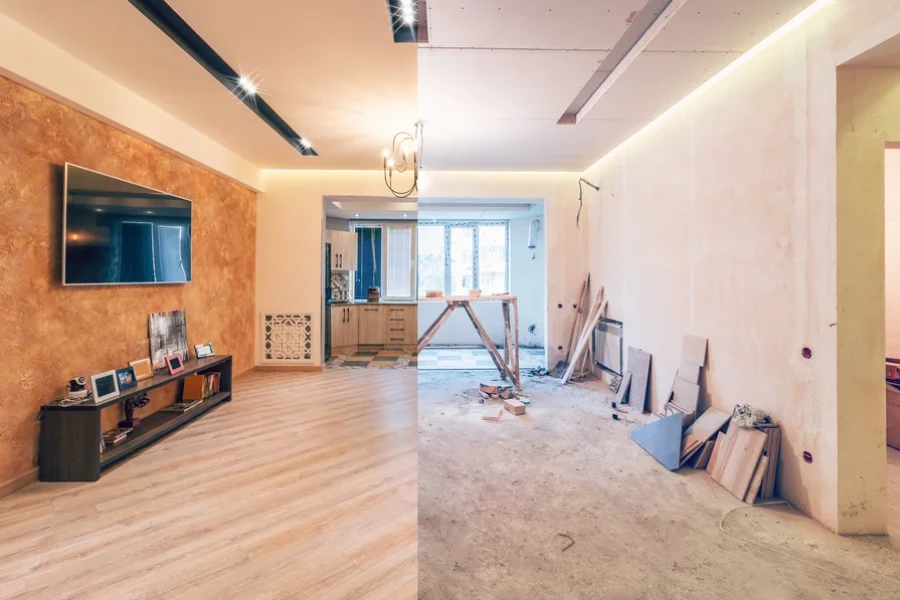
- Costs keep rising after demolition starts
- Materials arrive late or are backordered
- Permit approval takes longer than planned
- Hidden damage appears inside walls, floors, or ceilings
- Different workers give different answers
- Daily life at home becomes hard during construction
Likely Causes
Many renovation issues start with incomplete planning. If the scope is unclear, crews may have to stop and wait for answers. Older homes often bring hidden conditions. A bathroom wall may hide mold. A kitchen floor may slope more than expected. Electrical and plumbing systems may not meet current code. Material shortages also create problems, especially for tile, cabinets, windows, and fixtures. Weather can affect outside work and slow deliveries. On top of that, rushed decisions often lead to change orders, which add time and cost.
Another common cause is poor communication between everyone involved. If the homeowner, designer, and contractor are not on the same page, small mistakes can spread. A wrong measurement, a missed outlet, or a late product choice can affect several parts of the job. That is why home renovation work needs a strong plan before demolition begins.
What to Check First
Before work starts, check the basics. Make sure the project goals are clear. Know what rooms are changing, what materials are being used, and what the timeline looks like. Ask what happens if hidden damage is found. It also helps to ask who is handling permits and inspections. If you will stay in the home during the remodel, think through how you will use the space each day.
- Write down the full project scope
- Set a budget with room for surprises
- Confirm lead times for key materials
- Ask about permits and inspection steps
- Review the work schedule in simple terms
- Plan for dust control and room access
- Decide who gives final approval on changes
These early checks help reduce confusion later. They also make it easier to compare progress against the original plan.
Safe Fixes Vs Pro-Level Fixes
Some renovation problems are easy to manage on your own. You can label your priorities, track product orders, and keep a running list of questions. You can also create a daily path through the house to lower disruption. If a finish choice changes, making that call early can prevent delays.
Other issues need a trained professional. Structural changes, code upgrades, electrical work, plumbing moves, roofing repairs, and major water damage are not simple weekend tasks. If demolition reveals rot, pests, foundation cracks, or unsafe wiring, it is best to stop and get expert help. In home renovation, trying to save money on skilled work can create larger repair costs later.
Prevention Tips
The best way to avoid major setbacks is to expect a few minor ones. Build extra time into the schedule. Keep part of the budget for hidden conditions. Order long-lead materials early. Finalize design choices before the crew reaches that stage. If possible, do a careful inspection of walls, crawl spaces, and utility systems before full construction begins.
It also helps to keep communication simple and regular. A short weekly update can prevent many misunderstandings. Photos, written notes, and a clear approval process help everyone stay aligned. Good prep does not remove every risk, but it can make the job far more manageable.
- Keep a backup fund for surprise repairs
- Choose materials early, not mid-project
- Ask for a written schedule and updates
- Plan around permit review times
- Expect older homes to need extra attention
- Do not rush changes after work starts
Final Recommendation
If you are planning a project in Thompson, PA, we can help you think through the common issues before they slow things down. At PPHI, we focus on clear planning, steady communication, and practical solutions for home renovation work. Call us at (570) 533-1896 to talk about your goals and the next steps.